
Zhejiang Mingli Tecnología de la máquina Co., Ltd.
Medical sterilization pouches may look simple, but their manufacturing process is highly technical and strictly regulated to ensure reliable microbial protection. Understanding how these pouches are produced helps buyers evaluate quality and choose the right equipment for consistent and safe output.
Below is an in-depth look at how medical sterilization pouches are made from raw materials to final sealing.
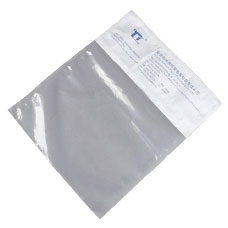
Medical sterilization pouches are typically made from two primary materials: medical-grade paper and transparent multilayer plastic film, each serving different functions.
Designed to allow sterilization agents—such as steam, ethylene oxide (EO), or hydrogen peroxide plasma—to permeate the pouch.
Has controlled porosity, ensuring proper sterilant penetration while maintaining strong microbial barrier properties.
Offers high fiber strength to prevent tearing during transport, storage, and sterilization cycles.
PET layer provides tensile strength, clarity, and heat resistance.
PE or CPP layer ensures reliable heat sealing and peelability.
Acts as a moisture barrier to protect the sterile field after sterilization.
Single-process or dual-process indicators (e.g., steam & EO).
Must comply with ISO 11140 requirements.
Lamination is crucial to combining the paper and plastic film into a strong, peelable, and sterile barrier. The lamination process typically involves:
A stable lamination stage ensures the later sealing step is clean, strong, and compliant with ISO 11607 packaging standards.
Printing on medical sterilization pouches is not purely decorative—it must convey essential safety and compliance information.
Flexographic printing is most commonly used because it provides precision and maintains material integrity.
After lamination and printing, the production of medical sterilization pouches continues with three closely connected operations: cutting and forming, sealing, and indicator application. These steps work together to give the pouch its final structure and sterilization functionality.
The materials are first cut to precise sizes and formed into pouch shapes with accurate layer alignment. The formed pouch then enters the sealing station, where controlled heat and pressure create strong, peelable seals that meet ISO 11607 requirements. Finally, sterilization indicators are applied or verified, ensuring the pouch can clearly show steam, EO, or plasma exposure after processing. By streamlining these steps, manufacturers ensure consistent pouch integrity and reliable sterilization performance.
Medical sterilization pouches serve as the last barrier protecting surgical instruments from contamination. Defective pouches can compromise sterile fields, leading to surgical infections and equipment reprocessing issues.
To maintain reliability, manufacturers increasingly rely on automated production lines, where quality is built, monitored, and recorded at every stage.
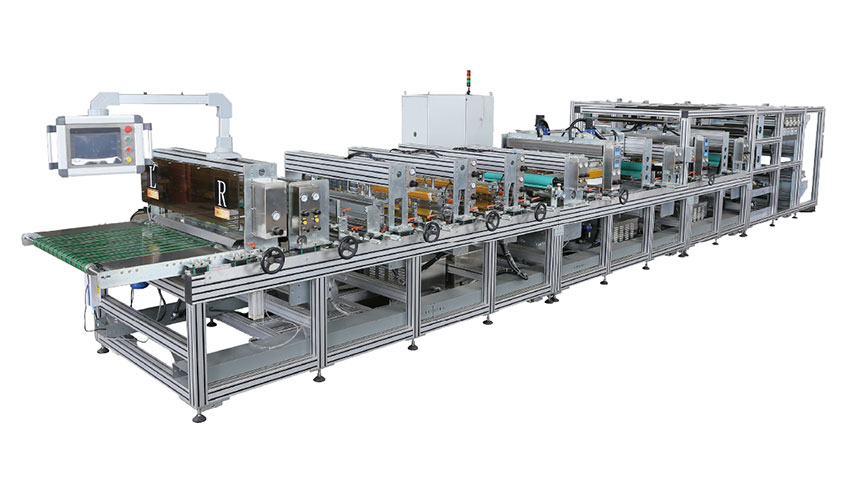
ML-1300 Medical Sterilization Pouch Making Machine
This naturally leads to the importance of specialized equipment—such as the Medical Sterilization Pouch Making Machine—designed to deliver precision, speed, and regulatory compliance. A high-quality machine ensures stable sealing temperature, accurate material feeding, indicator printing precision, and continuous inspection, helping pouch manufacturers meet ISO 11607, EN 868, and GMP requirements efficiently.